Coolant Behind the Connector: A Water-Side Handover Register for UK EV Charging Hubs
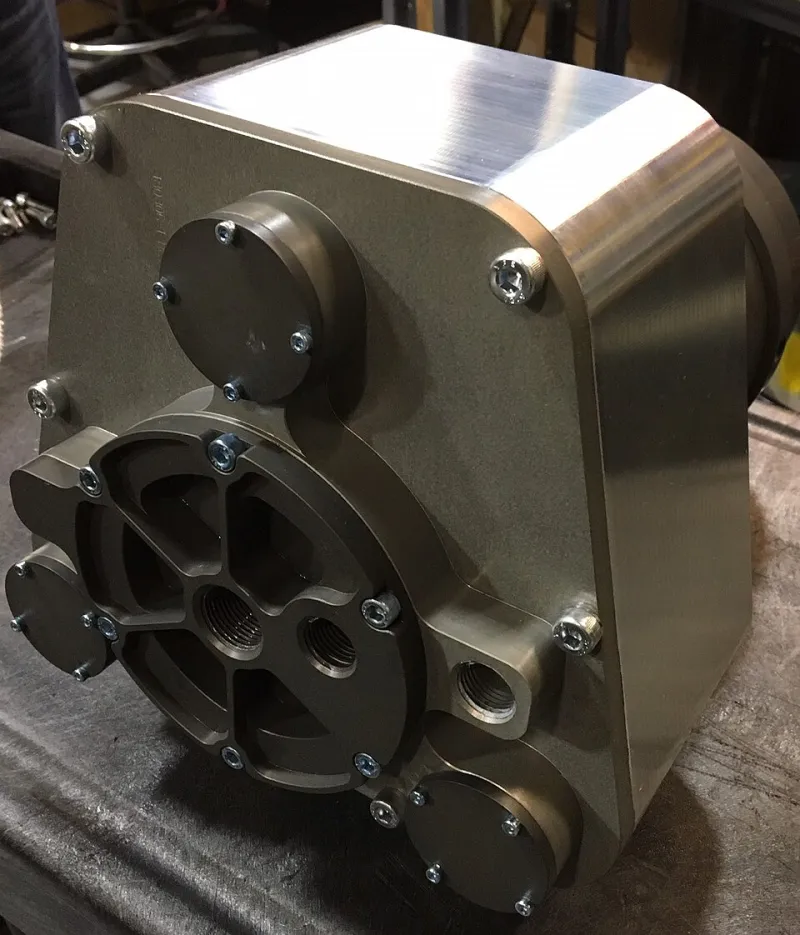
Photo: R2T2M, CC BY-SA 4.0, via Wikimedia Commons
High-power charging is usually discussed in electrical terms: kW, connector standards, load management and grid connections. For facilities teams, however, there is a second and quieter system behind the connector. Liquid-cooled cables and power electronics depend on small closed-loop coolant circuits, with pumps, filters, sensors and sometimes a water-glycol mix. These are not potable water systems, but they still need an owner. If responsibility sits between the charger vendor, the electrical contractor and the site team, a low coolant level or a blocked filter can turn into a derated charger, a leak on the forecourt or an avoidable outage.
Treat the hub as a compact plant room
On a UK retail park, depot or motorway service area, the charging hub is not just a row of cabinets. It is a compact plant room with heat to move and fluid to manage. The coolant loop protects cold plates and cables from overheating. Its condition affects charging power, cable flexibility and component life. The facilities team does not need to become a coolant specialist, but it does need a documented boundary: which loops are site-maintained, which remain vendor-owned, and who responds when an alarm appears.
A handover file for the water side
Commissioning should leave more than a charge test. Ask for:
- a loop schematic and fill volume, including isolation points and drain locations;
- the approved coolant specification, concentration and SDS or COSHH information;
- filter type, micron rating, pressure-drop limit and spare-part reference;
- pump flow and pressure setpoints, plus alarm thresholds for low level, high temperature and differential pressure;
- leak-detection zones and sensor mapping, including sumps and cable entries;
- a fill-water quality record and commissioning sample results;
- maintenance intervals, warranty conditions and named service contacts;
- method statements for safe isolation, including electrical lock-off before any fluid work.
These items are not paperwork for its own sake. They allow a site team to tell the difference between a sensor fault and a genuine leak, and to order the right filter before a charger derates.
Coolant checks that earn their place
Routine checks should follow the vendor specification, not a generic water-treatment schedule. For many closed loops, a sensible minimum is a monthly visual inspection for residue, dampness and low level, plus a quarterly record of coolant appearance, level and filter differential pressure. Where the vendor permits, periodic conductivity, pH, inhibitor and glycol concentration checks can reveal dilution, corrosion or topping up with the wrong fluid. Annual laboratory sampling may be justified on larger hubs or where several cabinets share a loop. The aim is trend evidence, not a thick binder.
Topping up is not maintenance. A loop that needs frequent top-up is losing fluid or has been filled incorrectly. The cause should be found before the next charge session.
Filters: change on evidence, not habit
Coolant filters protect narrow passages in cold plates, pumps and heat exchangers. A filter changed only on a calendar interval can be changed too late, while one changed too often adds cost and introduces air. Use differential pressure, visual condition and vendor limits. Keep the correct spare on site or within the service contract. Record every change with date, filter reference, reason and top-up volume. If a filter is bypassed or a non-approved element is fitted, the warranty position may be affected.
Leak detection and the first hour
Leaks in a charging hub are both a water issue and an electrical safety issue. The response should be written before it is needed: isolate the affected charger, keep people away from wet electrical equipment, use the correct spill material for the coolant, and call the contracted service provider. Glycol mixes can be slippery and should not be washed to a surface-water drain without checking the site's drainage and environmental permissions. Leak sensors should be tested at commissioning and at a defined interval, not assumed to work because the panel shows green.
Contractor ownership and the one-page register
The most common failure is not a failed pump; it is unclear ownership. Name the party responsible for coolant sampling, filter changes, leak response and annual service. Include the charger vendor, electrical maintenance contractor and facilities team in the same register. Record remote alarm routing so that a low-level alert reaches someone who can act, not an inbox that is checked weekly.
A one-page register can sit alongside the electrical asset list. It should show charger ID, loop volume, coolant type, filter reference, last sample, next service, leak-test date and escalation contact. Reviewed quarterly, it turns a hidden water circuit into a managed asset.
High-power charging will keep growing on UK sites in 2026 and beyond. Uptime will depend as much on coolant quality and clear ownership as on grid capacity. The forecourt may look electrical, but behind the connector it behaves like a plant room. Give that plant room a register, and the water side stops being unowned.