Tsaqua Systems Water treatment & filtration for UK facilities

Tsaqua Systems

Water treatment & filtration for UK facilities

Latest Articles

The Room Around the Equipment: A Refurbishment Checklist for UK Water Treatment Access
Contaminants & Treatment Technology

The Room Around the Equipment: A Refurbishment Checklist for UK Water Treatment Access

Refurbishment programmes often allocate space to major plant before water treatment is considered. This checklist sets out the clearances, routes and containment needed so that filters, dosing, sampling and drains remain accessible after handover.
Measured, Not Assumed: A Dosing-Pump Verification File for UK Plant Rooms
Contaminants & Treatment Technology

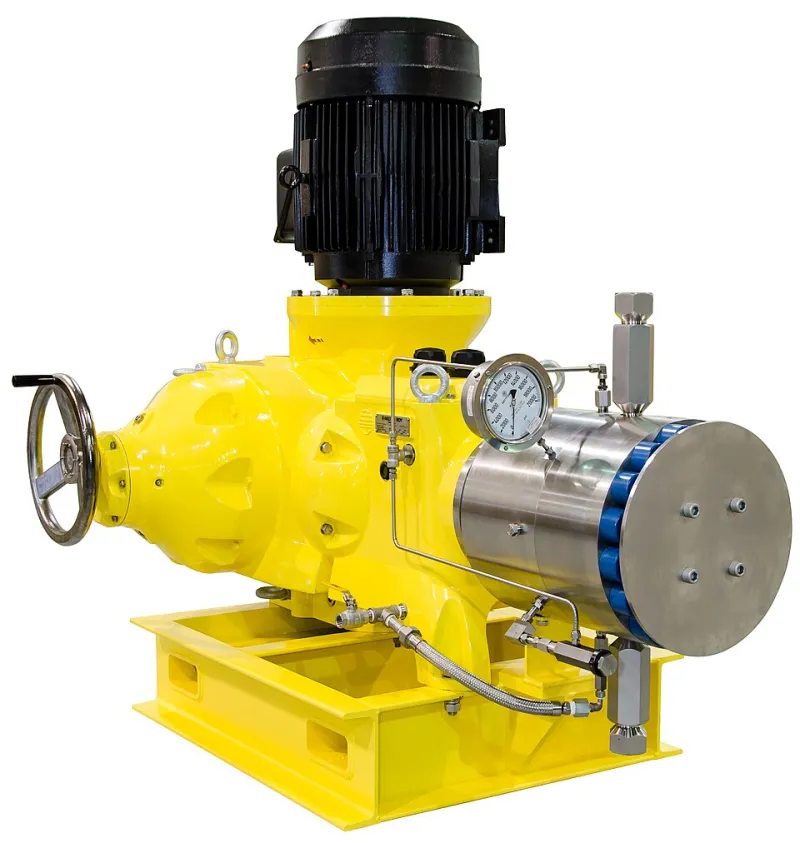
Measured, Not Assumed: A Dosing-Pump Verification File for UK Plant Rooms

A dosing pump can hold a stroke setting for years while its delivered volume quietly changes. This article sets out a practical verification file for UK plant rooms, covering duty-point checks, draw-down tests, change control and the records that make chemical dosing demonstrable rather than assumed.

Coolant Behind the Connector: A Water-Side Handover Register for UK EV Charging Hubs
Contaminants & Treatment Technology

Coolant Behind the Connector: A Water-Side Handover Register for UK EV Charging Hubs

High-power EV charging brings liquid-cooled cables and power electronics onto UK forecourts, adding small closed-loop coolant circuits to the facilities workload. This article sets out a handover and maintenance register covering coolant quality, filtration, leak detection and contractor ownership so charging uptime is not left to an unowned water circuit.

Beyond the Hour Meter: A Practical Audit of Ultraviolet Disinfection in UK Buildings
Contaminants & Treatment Technology

Beyond the Hour Meter: A Practical Audit of Ultraviolet Disinfection in UK Buildings

Elapsed lamp hours are a maintenance prompt, not evidence of delivered UV dose. This audit guide sets out what UK facilities teams should inspect, record and challenge when ultraviolet disinfection units sit on potable, process or reclaimed water systems.

The Pool Plant Is a System, Not a Stopwatch: Auditing Treatment in UK Leisure Centres
Water Safety & Compliance

The Pool Plant Is a System, Not a Stopwatch: Auditing Treatment in UK Leisure Centres

A circulation rate can flatter an inherited pool plant. This audit approach tests filtration performance, backwash practice, combined chlorine, surge capacity and the evidence a leisure operator can present to regulators and insurers.

The Housing Is Part of the Barrier: Standardising Cartridge Filter Changes in UK Plant Rooms
Contaminants & Treatment Technology

The Housing Is Part of the Barrier: Standardising Cartridge Filter Changes in UK Plant Rooms

Cartridge filtration is frequently managed as a simple media swap, but the housing, seating faces and O-rings can undermine performance if changeouts are not controlled. This article sets out a practical standard for UK plant rooms, from differential-pressure records and bowl hygiene to micron-rating verification, post-change flushing and labelling.

Before the Residual Reads Strange: A Chloramine Conversion Readiness File for UK Estates
Contaminants & Treatment Technology

Before the Residual Reads Strange: A Chloramine Conversion Readiness File for UK Estates

A chloramine conversion rarely announces itself at the plant-room door. It arrives as a changed taste at the tap, a biofilm that will not shift and a chlorine reading that no longer tells the whole story. This readiness file sets out how UK facilities teams can detect an approaching zone switch, adjust sampling and prepare treatment assets before complaints outpace explanation.

Water Safety & Compliance

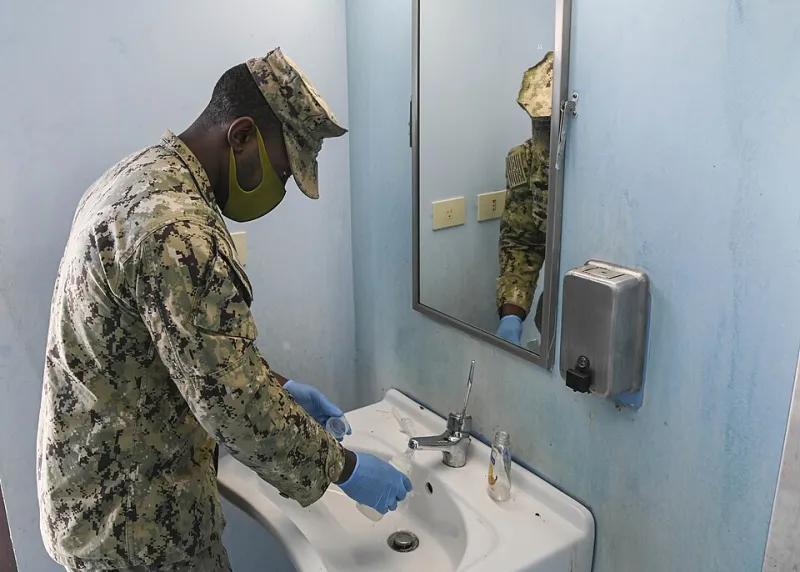
Evidence at the Outlet: A Sample-Point Register for UK Facility Water Quality

A water-quality result begins at a tap, not in a laboratory. This article sets out a practical sample-point register and chain-of-custody audit for UK estates, so facilities teams can distinguish a plant fault from a sampling artefact or a procedural error.

The Fading Signal: A Building-Wide Survey of Chlorine Residual
Water Safety & Compliance

The Fading Signal: A Building-Wide Survey of Chlorine Residual

A single sentinel tap reading cannot show where disinfectant residual is lost across a UK estate. This field guide sets out how to build a sample-point map, interpret chlorine decay from inlet to outlet, and choose between operational correction, booster dosing and local filtration without responding to taste complaints by simply adding more chlorine.

The Unseen Return Path: Charting RPZ Valves and Air Gaps Across a UK Estate
Water Safety & Compliance

The Unseen Return Path: Charting RPZ Valves and Air Gaps Across a UK Estate

Backflow prevention is often recorded as a list of devices rather than a map of risk. This guide sets out how UK facilities teams can locate every RPZ valve and air gap, tag the connections that matter most, and establish a defensible annual testing and records routine.

Frost, Stagnation and the Standby Plant Room: A 2026 Winter Readiness Routine for UK Facilities
Water Safety & Compliance

Frost, Stagnation and the Standby Plant Room: A 2026 Winter Readiness Routine for UK Facilities

The first hard frost of 2026 will expose more than unlagged pipework. It will test whether standby plant rooms, filtration skids and low-use dead legs have been managed as water systems rather than merely as heated spaces. This routine links freeze protection to water quality, continuity and defensible records.

Readiness Is Not the Same as Water Quality: Fire Storage on UK Estates
Water Safety & Compliance

Readiness Is Not the Same as Water Quality: Fire Storage on UK Estates

Fire tanks and wet risers are proven available, tested and then left alone. That is exactly how idle water becomes a water-quality blind spot. A combined routine of observation, controlled turnover, side-stream filtration and scheduled sampling can protect both fire readiness and water condition without compromising either duty.

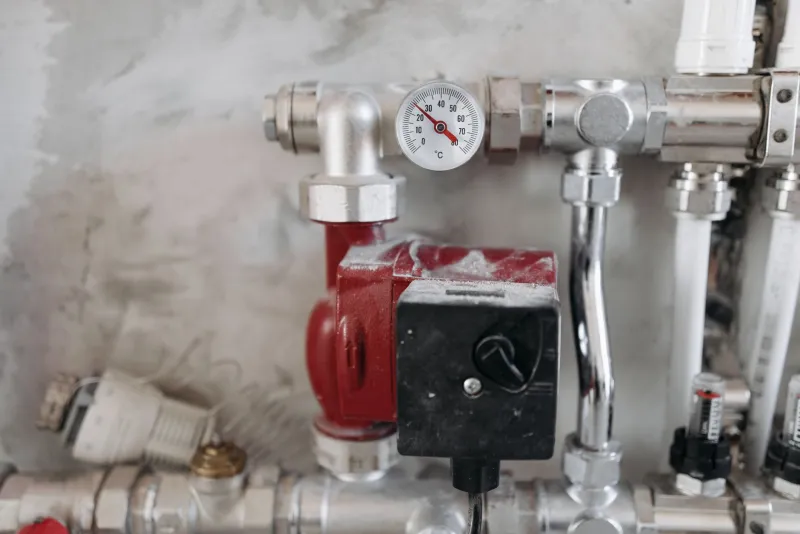
The Circuit Is the Commissioning: Closed-Loop Water Treatment Before a UK Heat Pump Retrofit
Contaminants & Treatment Technology

The Circuit Is the Commissioning: Closed-Loop Water Treatment Before a UK Heat Pump Retrofit

A heat pump retrofit is often planned around plant selection, flow temperatures and controls, while the existing heating circuit is left as an inherited assumption. This article sets out a practical closed-loop water treatment routine for UK facilities teams, covering pre-retrofit survey, flushing, filtration, inhibitor compatibility and the handover evidence needed to protect new plant.

Overpressure, Overlooked: A Pressure Audit for Booster Sets and PRVs
Water Safety & Compliance

Overpressure, Overlooked: A Pressure Audit for Booster Sets and PRVs

Unmanaged pressure in booster sets and pressure-reducing valves can waste water, accelerate fixture wear and inflate pumping energy without appearing clearly on a utility bill. This audit routine uses overnight logging, set-point checks, pump-curve matching and a prioritisation matrix to expose the hidden cost and fix it proportionately.

Empty Desks, Standing Water: Flushing Regimes for Part-Occupied UK Offices
Water Safety & Compliance

Empty Desks, Standing Water: Flushing Regimes for Part-Occupied UK Offices

Hybrid working has left many UK offices with wings that are busy on Tuesday and silent by Friday. This article sets out how to map low-use outlets, schedule flushing on the evidence of occupancy, and prove water quality without turning the plant room into a water-wasting machine.

Water Safety & Compliance

The Quiet Hours Ledger: A Monthly Night-Flow Routine for UK Facility Water Meters

Overnight minimum flow is one of the few water-performance signals that can reveal hidden leakage before it reaches the bill. This guide sets out a repeatable monthly routine for UK facilities teams: mapping legitimate night demand, setting site-specific alarm thresholds, step-testing zones and documenting repairs for ESG and cost reporting.

Proving the Source Before the Keys Change Hands: A Private Water Supply Audit
Water Safety & Compliance

Proving the Source Before the Keys Change Hands: A Private Water Supply Audit

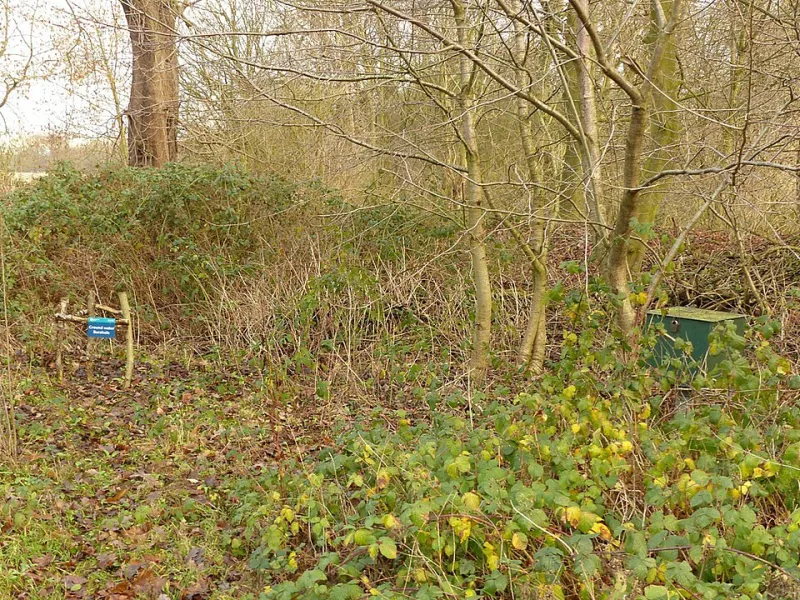
Private boreholes, springs and wells are often inherited rather than designed. This guide sets out a pre-handover proving framework covering source risk, treatment-train verification, sampling evidence and the commercial case for auditing before occupation.

Twenty Minutes, One Torch: The Plant Room Walk-Behind That Catches Drift Early
Water Safety & Compliance

Twenty Minutes, One Torch: The Plant Room Walk-Behind That Catches Drift Early

Most water treatment failures announce themselves quietly, weeks before anything trips an alarm. This walk-behind gives facilities teams a repeatable twenty-minute route for eyeballing filters, softeners, dosing sets, backwash sequences and sampling points, with a clear line between a note in the log and a call to the contractor.

Fewer Bells, Better Signals: Designing Water Treatment Telemetry Around the Response Model
Contaminants & Treatment Technology

Fewer Bells, Better Signals: Designing Water Treatment Telemetry Around the Response Model

Telemetry is often bought as a dashboard and installed as a burden. The case made here is straightforward: decide who responds to what, and within what time, before a single sensor is specified. Everything else — alarm tiers, thresholds, ownership and cyber hygiene — follows from that decision.

The Salt Behind the Claim: Auditing Softener Brine Across a UK Facility Estate
Contaminants & Treatment Technology

The Salt Behind the Claim: Auditing Softener Brine Across a UK Facility Estate

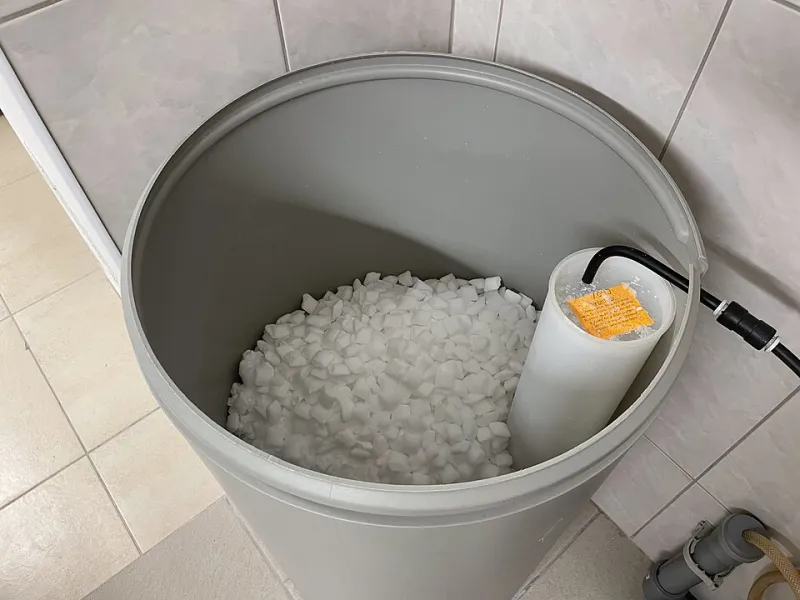
Salt-based softening quietly exports chloride to the sewer with every regeneration, and few estates hold the data to prove otherwise. This article examines where brine loads breach trade-effluent expectations, how to put numbers on an existing softener estate, and when salt-free conditioning or carbon-dioxide dosing is a genuine substitute rather than a marketing swap.