Overpressure, Overlooked: A Pressure Audit for Booster Sets and PRVs
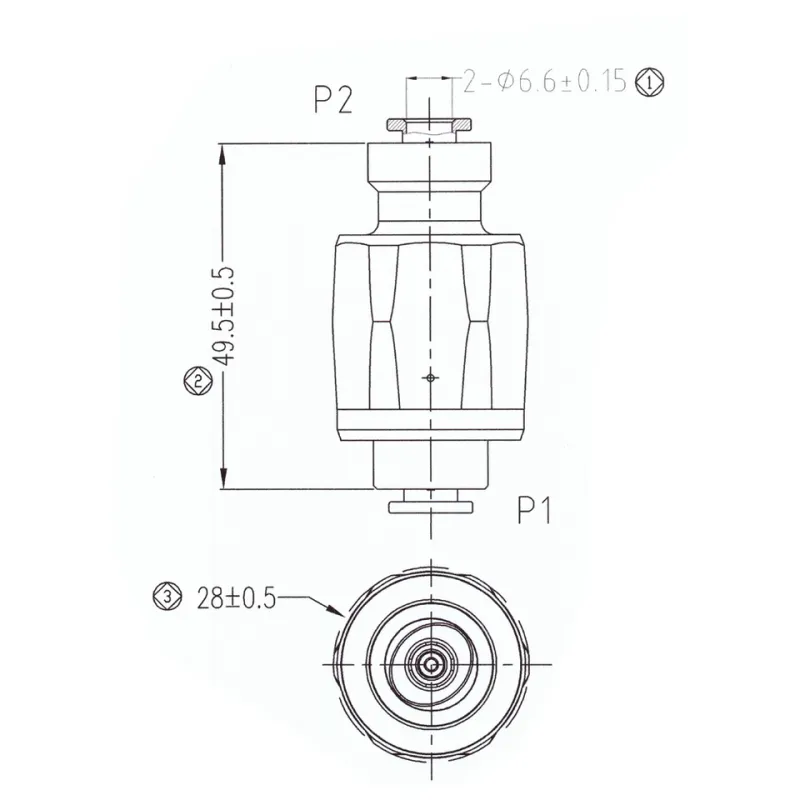
Photo: Rubbervalve, CC BY-SA 4.0, via Wikimedia Commons
Pressure is one of the few water variables on a UK estate that can cost money without registering obviously on a meter. A booster set holding a few tenths of a bar above the required head, or a pressure-reducing valve that has drifted since commissioning, rarely announces itself with a dramatic failure. It appears instead as a higher than expected night flow, a rising rate of tap and cistern replacements, premature solenoid failures, or pumps that cycle more often than the demand profile justifies.
On mixed-use sites, pressure is not a single number. It changes by floor, by zone and by time of day. A basement plant room may hold a clean 4 bar, while the top-floor washroom sees barely enough to operate sensor taps; a retail unit on a separate branch may be over-pressurised after a mains renewal. Treating the estate as one pressure system hides both problems.
Treat pressure as a set of assumptions, not a fixed value
Every booster and pressure-reducing valve installation rests on assumptions: peak occupancy, simultaneous demand, fixture ratings, pipe losses and the incoming mains pressure. Those assumptions age. A floor is sublet, a washroom is refurbished with low-flow fittings, a kitchen closes, or the water undertaker changes the local distribution regime. The plant continues to deliver the pressure it was set to deliver, whether or not that pressure still matches the building.
Before any capital case is made, the facilities team should be able to answer three questions: what pressure does each zone actually receive, what pressure do the fixtures and processes require, and where does the difference go? The audit below is designed to answer those questions with existing records and a modest logging exercise.
Begin with a zone map and a week of overnight data
Start by drawing the pressure zones rather than the floor plan. Mark every booster set, break tank, pressure-reducing valve, isolation valve and major draw-off. Note the design set points and the date of the last adjustment. This map does not need to be a CAD drawing; a marked-up plant room schematic is enough to prevent the common error of testing one valve while another branch is feeding the same zone.
Next, log pressure at the most representative points. Fifteen-minute intervals over at least seven days will usually reveal the pattern. The important comparison is between static pressure, when the building is quiet, and dynamic pressure during peak draw-off. A zone that holds a high static pressure but collapses at peak may have a control problem upstream, an undersized branch or a valve that is passing. A zone that never drops at night may be over-pressurised, or may have a hidden draw-off that the meter is already recording.
Pair the pressure log with night-flow data where available. Pressure and flow together tell a more useful story than either alone. High night pressure with low night flow points to set-point discipline; high night flow with normal pressure points to leakage or an uncontrolled draw-off. The audit is not a leak survey, but it should flag when a leak detection specialist is the right next call.
Check the valve before blaming the pump
Pressure-reducing valves are often treated as fit-and-forget components. In practice, they are mechanical devices with pilots, springs, diaphragms and strainers that respond to debris, wear and changing inlet conditions. A practical check includes confirming gauge calibration; comparing the set point with the downstream pressure at low and high demand; checking for creep or seat leakage; inspecting strainers; and verifying that a relief or bypass arrangement is not masking a fault.
On UK sites, the incoming main can vary through the day and across seasons. A valve set correctly against a winter mains pressure may behave differently when distribution is reconfigured or demand changes. The set point should therefore be recorded with the conditions under which it was measured. If a valve has been adjusted to solve a top-floor complaint, check whether the change has over-pressurised the lower floors. Pressure problems are frequently moved rather than solved.
Also check the obvious: gauge isolation cocks left closed, gauges reading in different units, and test points that are not at the same elevation. A few tenths of a bar of error in measurement can send an audit in the wrong direction.
Match the pump curve to the demand profile
Booster sets are usually selected for a design condition that represents the worst case. That is appropriate, but it can leave the pumps running far from their best efficiency point for most of the year. The audit should compare measured flow and head against the installed pump curve, not against the original design narrative.
Look for short cycling, excessive staging, wide pressure swings and pumps running at low flow for long periods. On variable-speed sets, check the set point, deadband and minimum speed. On fixed-speed sets, check the pressure vessel charge and the staging controls. A booster that maintains pressure by running a large pump at low output may be doing exactly what it was configured to do, while wasting energy and increasing wear.
The aim is not to replace every booster set. It is to establish whether the installed equipment can meet the current demand profile at a sensible pressure. Sometimes a revised set point, a repaired valve or a changed staging strategy will deliver more than a new pump. Sometimes the honest finding is that the set is oversized for the building as it now operates.
Put the findings through a simple matrix
An audit that produces a long list of defects is easy to write and hard to act on. A prioritisation matrix keeps the response proportionate. Score each finding for water loss or waste, safety or compliance impact, asset wear, energy use and ease of correction. A valve passing at a rate that shows up in night flow should rank above a gauge that is merely inconvenient to read. A booster cycling hourly should rank above a minor pressure fluctuation that no occupant has reported.
Use the matrix to separate immediate corrections from planned work. Immediate items might include a valve adjustment, a strainer clean, a gauge replacement or a control set-point change. Planned items might include pump replacement, zone reconfiguration or a pressure management study. Record the evidence behind each score so that the decision can be reviewed when demand changes.
Make pressure part of the water safety file
Pressure records belong with the water safety plan, not in a maintenance folder that no one reads. The audit should create a baseline: zone map, set points, logging results, pump curve comparison and actions taken. That baseline makes the next review faster and gives the facilities team a defensible record if a fixture failure or supply complaint occurs.
Pressure is not glamorous plant-room work. It is, however, one of the few areas where a measured adjustment can reduce water waste, extend fixture life and lower pumping energy without a major capital project. The hidden pressure bill is usually paid in small increments: a dripping tap, a short-cycling pump, a valve that has drifted a little too far. An audit makes those increments visible, and that is the first step to stopping them.