Frost, Stagnation and the Standby Plant Room: A 2026 Winter Readiness Routine for UK Facilities
A plant room can look orderly in autumn and still be unprepared for a sharp overnight drop in temperature. The risk is not confined to a burst pipe. Frost can crack filter housings, disturb booster-set controls, expose poorly insulated dead legs and leave a building with water that is technically present but no longer suitable for use. For UK facilities teams, the run-up to the first hard frost of 2026 is therefore a water-systems exercise as much as a maintenance one.
Start with a freeze-risk map, not a shopping list
Before ordering additional lagging or portable heaters, map where water actually sits. Walk the plant room, roof spaces, service risers and externally accessed enclosures with the asset register to hand. Mark every pipe run, valve, filter housing, expansion vessel, booster set, water softener, sample point and dead leg that could be exposed to low temperatures.
Use room temperature loggers rather than memory alone. A plant room may be warm during weekday occupancy and fall close to freezing over a weekend, especially where ventilation is controlled separately from heating. Record the coldest likely conditions, not the comfortable ones observed during a daytime inspection. Note where cold air enters, where doors are left open, where insulation has been removed for access and where pipework runs against an external wall.
Assign each asset a simple criticality rating. A redundant washdown tap is not equivalent to a booster set serving a clinical suite or a filtration skid protecting a production process. The map should show where a freeze event would cause loss of supply, water quality failure, equipment damage or a difficult repair. That ranking will determine where time and money go first.
Inspect lagging and trace heating as systems
Lagging is often treated as a background finish. In practice, it is part of the water system's winter defence. Check for compressed, torn or missing insulation, particularly at valves, flanges, strainers, filter housings and pipe supports. Look for gaps where pipework passes through walls or where previous maintenance has left a section exposed. Damp insulation is worse than none, so investigate staining and soft sections rather than painting over them.
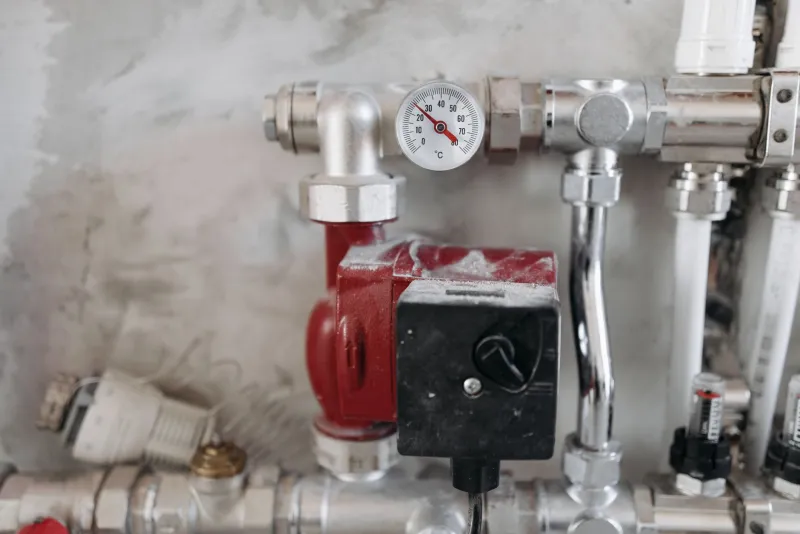
Trace heating needs a proper functional check, not a visual glance. Confirm that circuits are labelled, thermostats respond, alarms are visible and the system is not being switched off because it is inconvenient. Where a pipe thermostat controls the circuit, test its response against a calibrated reference. Record the test result and the date. If a trace-heating circuit has failed, treat it as a water-safety issue until the repair is complete, particularly where low-use pipework cannot be flushed regularly.
Make drain-down decisions deliberately
Draining low-use sections can be the right winter measure, but it should not become an informal habit. Identify outside taps, temporary washdown points, redundant spurs and infrequently used sanitary runs. Where a leg is genuinely redundant, remove it. Where removal is not possible, agree a drain-down or isolation regime that prevents freezing without creating a stagnant, unmonitored pocket of water.
Do not drain fire storage or fire-main sections without competent advice. The same applies to any system whose availability is part of a life-safety or business-continuity arrangement. For retained pipework that cannot be drained, increase flushing and temperature monitoring during cold spells. Record who authorised the change, what was isolated and how the asset will be returned to service.
Protect filtration and booster equipment
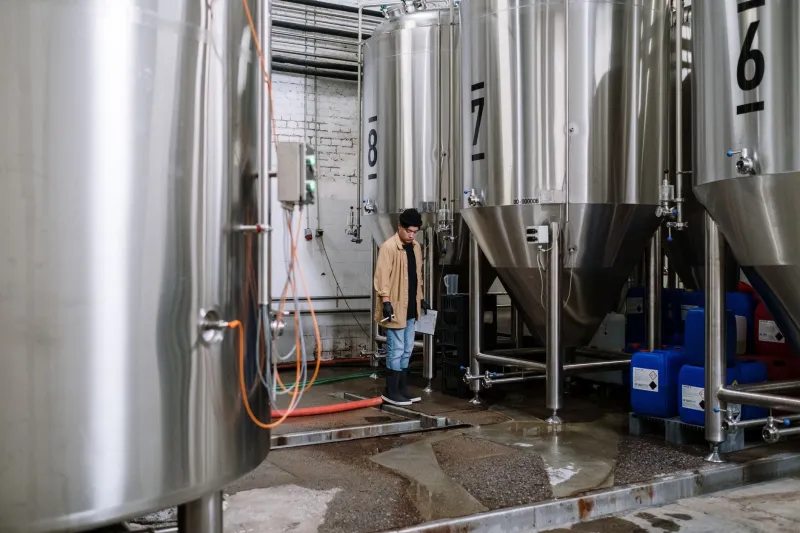
Filtration skids are vulnerable because they hold water in housings, bowls and small-bore pipework. Check differential pressure before winter and replace cartridges where loading is already high. A filter housing that is difficult to open in cold weather is more likely to be left until it fails. Confirm that housings are protected from frost and that any condensate or drain lines are clear.
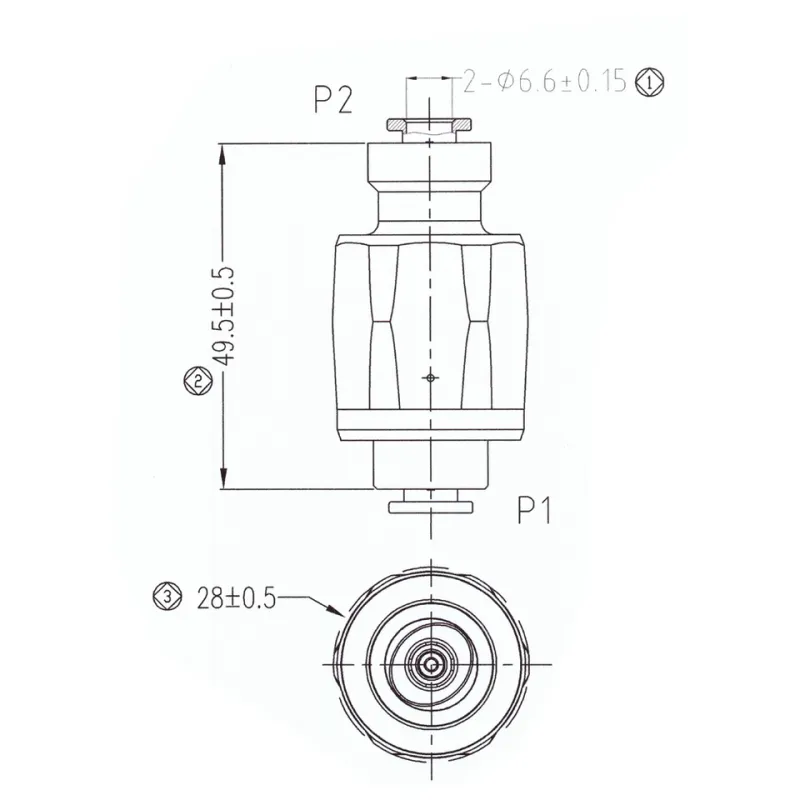
Booster sets deserve similar attention. Confirm that standby pumps are exercised, that pressure transducers are reading correctly and that any anti-frost heating or enclosure protection is working. Check that ventilation does not undermine room heating, but do not seal a plant room so tightly that other risks are created. Where a room is unheated, agree a minimum temperature trigger and a response plan rather than relying on goodwill.
Treat the thaw as part of the routine
Much freeze damage becomes visible only when ice melts and pressure returns. Plan a post-frost inspection for the first working day after a severe cold spell. Look for weeping joints, cracked housings, changed pressure readings and alarms that cleared without explanation. If a section has been stagnant or isolated, flush it in a controlled way and consider sampling before returning it to normal service. A quick visual check is not a water-quality verification.
A pre-winter checklist for 2026
- Update the freeze-risk map and identify critical assets.
- Inspect lagging at valves, filters, strainers and wall penetrations.
- Function-test trace heating, thermostats and alarms; record results.
- List low-use and dead legs, then remove, drain or flush them under a named owner.
- Check filter housings, drain lines and booster-set enclosures for frost exposure.
- Confirm minimum room temperatures and out-of-hours response arrangements.
- Agree post-frost inspection and flushing steps before the cold weather arrives.
- File the evidence with the water safety plan and maintenance records.
Winter readiness is not proven by a warm plant room on a mild afternoon. It is proven by a documented routine that connects frost protection to stagnation control, equipment protection and continuity planning. The first hard frost will find the gaps anyway; the useful question is whether the facility has already found them first.