Measured, Not Assumed: A Dosing-Pump Verification File for UK Plant Rooms
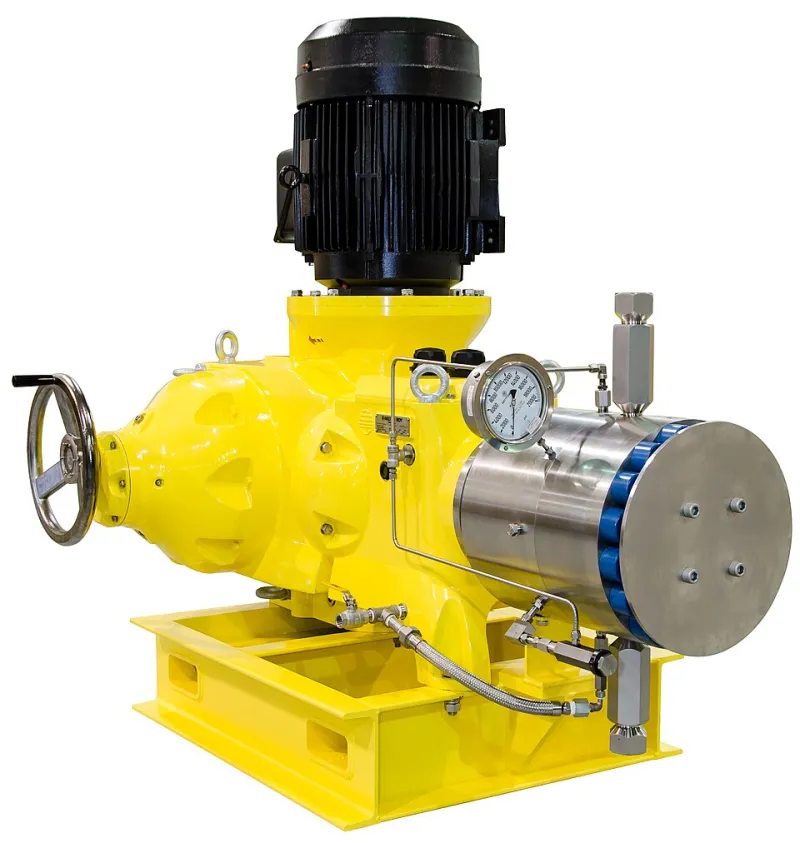
Photo: LaurelBloch, CC BY-SA 4.0, via Wikimedia Commons
Chemical dosing is one of the few treatment activities where a single millilitre can carry a great deal of operational weight. A biocide dose, a scale inhibitor, a pH correction or a chlorine top-up is often justified by a pump setting that was established at commissioning and rarely tested since. The dial on the pump is a position, not a measurement. Between the dial and the water there are suction lines, diaphragms, valves, injectors, backpressure and hours of running. Any of these can move the delivered volume without moving the setting.
For facilities managers, the practical question is not whether a pump has a setting. It is whether the setting has been verified recently, against a documented method, at the conditions the plant actually sees. A dosing-pump calibration register turns that question into a routine piece of evidence.
The Setting Is Not the Dose
A stroke length of 60 per cent means little on its own. The delivered volume depends on the pump's duty point: suction lift, discharge pressure, chemical viscosity, the condition of the suction and discharge valves, and the behaviour of the injector against system pressure. A pump that was set against a low backpressure at commissioning may deliver less once a new plate heat exchanger, filter or injection point is added. A suction line that has drawn air or partially degraded can reduce output long before the pump fails.
Run-hours matter as well. Diaphragms stiffen, valve seats wear and tubing creeps. The pump may still sound regular and still show a healthy signal on the controller. That is why the register should begin with a simple principle: record what the pump is asked to do, then measure what it actually delivers.
Begin With a Duty-Point Check
Before any draw-down test, confirm the installed duty against the design duty. Record the pump make, model, controller type and signal source. Note the chemical being dosed, its concentration and its approximate viscosity. Check the suction arrangement, the discharge line, the injector and any pressure gauge or backpressure valve in the line. A photograph of the installed arrangement is useful because plant rooms change quietly.
This step is not a full engineering review. It is a sanity check. If the pump is now working against a different pressure, or the suction line has been extended, or the injector has been replaced with a different model, the old calibration figure should not be carried forward without verification.
The Draw-Down Test, Done Properly
A draw-down test should be representative rather than theatrical. Where practical, measure the pump's output against the system backpressure it normally sees. Use a graduated cylinder or a calibrated vessel, a stopwatch and the process chemical or a suitable surrogate. Run the pump at its normal stroke setting and frequency, and collect the discharge over a defined period. Repeat the test at least three times and record each result.
Calculate the delivered volume in millilitres per minute or litres per hour. Compare it with the intended duty and with the manufacturer's tolerance or the site's own acceptance criterion. A common working tolerance is plus or minus five per cent, but the register should state the chosen figure rather than leave it implied. Record the date, the technician, the suction lift, the discharge pressure, the chemical temperature and any deviations from the normal arrangement.
The test does not need to be elaborate. It needs to be repeatable. A second person should be able to read the register and understand exactly what was measured, how, and under what conditions.
Change Control for Adjustments and Swaps
Dosing pumps are often adjusted in response to a test result, a process change or a maintenance visit. Each adjustment should leave a trace. Record the date, the reason for the change, the old and new settings, the measured output before and after, and the person who authorised the change. If a pump is swapped, record the asset number of the replacement, its verified output and the date the old pump was removed from duty.
This is particularly important where dosing supports a water safety plan or a treatment claim. An auditor may not need to see every pump curve, but they will want to see that changes were controlled and that the treated volume was re-established after the change. A pump label with the last verification date and the verified output is a simple field aid; the register remains the primary record.
Evidence That Stands Up to Review
The register should be proportionate but complete. For each dosing asset, include a unique identifier, location, duty, chemical, design setpoint, last measured output, date of verification, method used, technician and any corrective action. Trend the results over time. A pump that has moved from 100 per cent of intended output to 92 per cent over three quarters is telling a story about wear or suction conditions, even if it remains within tolerance.
Keep the evidence where it can be found. A paper file in the plant room is acceptable if it is completed; a computerised maintenance system is better if it is used. Link the register to the site's water safety plan, treatment log and change-control records so that a single query can be followed from the chemical claim back to the measured millilitres.
Drift Is a Signal, Not Just a Number
When a draw-down test shows drift, the first response should not be to turn the stroke up. Investigate the cause. Check the suction line for air ingress, the valves for debris, the diaphragm for hardening and the injector for partial blockage. A pump that is adjusted to compensate for a worn valve may deliver the right volume today and an unpredictable one next month. Correct the cause, then verify the output again.
The register is therefore more than a calibration record. It is a diagnostic history. Read alongside run-hours and maintenance notes, it shows whether the plant room is being managed by measurement or by memory. For UK facilities teams under pressure to demonstrate that treatment is effective, that distinction is worth keeping.