Evidence at the Outlet: A Sample-Point Register for UK Facility Water Quality
A water-quality result appears as a single line on a certificate: a colony count, a chlorine concentration, a metal concentration or a turbidity figure. That line is the end of a chain that begins at a tap, sensor port or dedicated sample valve. On a UK estate with multiple buildings, the chain is only as strong as its weakest link. A poor result can indicate a genuine plant problem, but it can equally indicate a sample point that has been overlooked, a purge that was not recorded, or a label that lost its identity between plant room and laboratory.
In 2026, estate teams are under pressure to demonstrate control without overreacting to every analytical excursion. The sample point is therefore not a administrative detail. It is part of the measurement system, and it deserves the same audit discipline as a treatment plant or a booster set.
The outlet is part of the instrument
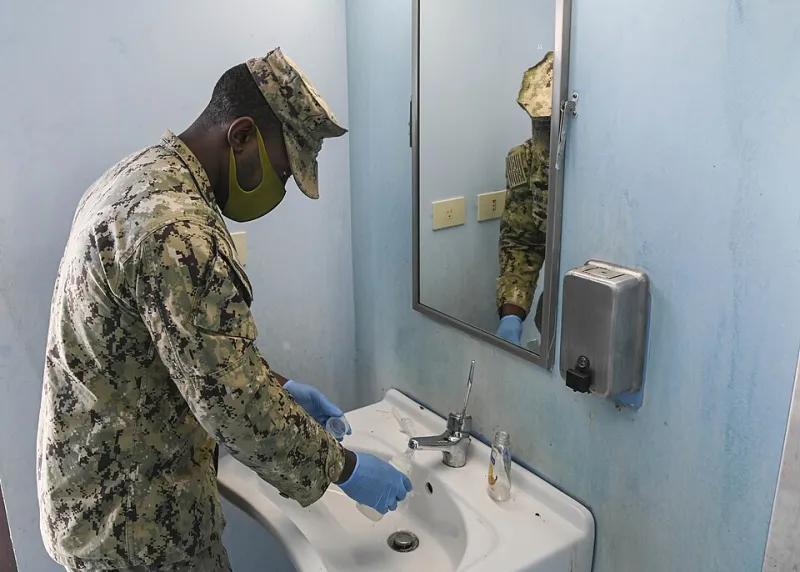
Sampling taps and sensor ports are not neutral. A dedicated smooth-bore sample valve behaves differently from a disused draw-off with a corroded swivel, an aerator, a length of flexible hose or a short dead leg upstream. The laboratory measures what arrives in the bottle, not what the plant intended to deliver. If the route to the bottle passes through a stagnant branch or a biofilm-rich outlet, the result may describe the branch rather than the system.
This matters most where results drive action. A single elevated result can trigger flushing, chlorination, filter changes or contractor call-outs. Before those decisions are made, the estate should be able to answer a simple question: was the sample representative of the zone under investigation, or of the point itself?
Build a sample-point register before judging results
A sample-point register is the foundation of any credible sampling audit. It should list every routine and investigative sample location, including potable water outlets, Legionella sampling points, sensor ports, closed-loop test points and any temporary taps used by contractors. Each entry should carry a unique identifier that appears on labels, schematics, laboratory reports and maintenance records.
Useful fields include the building, room, floor and served zone; the type of outlet; whether an aerator, hose or attachment is fitted; the approximate length and use pattern of any upstream dead leg; the flushing routine; the last tap maintenance date; the sampling purpose; the analytical method; any preservative or dechlorinating agent; and the courier or holding-time requirements. The register should also record who is authorised to take samples and which contractor carries out routine sampling.
The register is not a static document. It should be reconciled against the site schematic and updated when outlets are removed, replaced or repurposed. A sample point that exists only on a label is a compliance risk; a sample point that exists only on a drawing is an operational fiction.
Tap condition, dead legs and the limits of purging
A walk-through of sample points should look at condition as closely as location. Corrosion, scale, damaged seals, missing caps and makeshift hoses all affect the sample. Aerators and attachments can harbour biofilm and should be removed or specified according to the sampling method. Sensor ports can create small pockets of stagnant water, particularly where the port is not swept by normal flow.
Purging is equally important, but it is often described too loosely. “Run until clear” is not a method. For routine compliance sampling, the written method should specify purge time, flow rate or volume, and any allowable deviation. For investigative sampling, the team may deliberately choose not to purge, or may sample before and after purging to separate standing water from system water. The key is to record what was done, because a purged and an unpurged sample are not interchangeable evidence.
Where the sampling purpose is Legionella, the site’s written scheme and the relevant guidance should govern the method. Sampling for chemical parameters, corrosion indicators or sensor verification may require different purge and container protocols. Teams should avoid blending these purposes into a single informal routine.
Labelling and chain of custody
A result without a reliable identity is an anecdote. Labels should include the sample-point identifier, date and time, sampler, method or purge record, preservative, tests requested and any observations such as discolouration or odour. Where possible, photograph the labelled container before dispatch. Chain-of-custody records should show who held the sample, when it was sealed, how it was transported and when the laboratory received it.
Reconciliation is the final step. The laboratory report should be checked against the register, not simply filed. Missing point identifiers, mismatched test suites, exceeded holding times or unexplained deviations should be queried before the result is used to judge the plant.
Deciding whether the fault is plant, point or process
When a result is poor, the first response should be a structured review rather than an immediate treatment change. Was the point on the register and in good condition? Was the purge recorded and consistent with the method? Was the label and custody chain intact? Is there a sister outlet nearby that can be sampled for comparison? Does the result fit the plant logs, chemical feed records and recent maintenance history?
This review allows the estate to classify the issue. A plant fault requires treatment or engineering action. A point artefact requires tap repair, dead-leg removal or sampling-point replacement. A process error requires retraining, method revision or contractor review. A genuine local issue may require targeted flushing or remediation. Without this classification, teams risk treating the sample point and calling it plant treatment.
A practical audit rhythm
A quarterly audit should cover a representative sample of outlets plus all critical points, such as those serving vulnerable users or regulatory sampling programmes. The audit should check tap condition, labelling, purge records, custody records and result reconciliation. An annual full register review should align the sample points with the current schematic and site use.
Sample points are small assets, but they carry a large evidential burden. A well-run register does not guarantee good water quality, but it does ensure that the estate knows what its results actually describe. That is the difference between reacting to a number and managing a system.